Avian First Aid: Essential Emergency Care Every Parrot Owner Should Know

Dr. Sarah Johnson
Certified Avian Veterinarian
Table of Contents
- Introduction: Be Prepared, Not Panicked
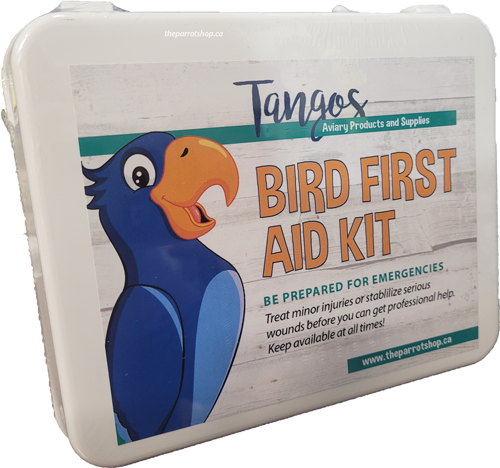
- Building Your Parrot First Aid Kit
- Recognizing Critical Emergency Signs
- Bleeding & Wound Care
- Respiratory Emergencies
- Poisoning & Toxin Exposure
- Trauma & Fractures
- Heat Stress & Hypothermia
- Egg Binding Emergencies
- Safe Transport to Veterinary Care
- Frequently Asked Questions
- Conclusion: Your Preparedness Saves Lives
Introduction: Be Prepared, Not Panicked
Parrots are masters at hiding illness and injury—a survival instinct from their wild ancestors. This means by the time you notice something is wrong, your bird may already be in critical condition. Knowing basic avian first aid could mean the difference between life and death for your feathered companion.
This comprehensive guide covers the most common parrot emergencies, how to recognize them, and what immediate actions to take while preparing for veterinary care. Remember: first aid is not a substitute for professional veterinary treatment, but it can stabilize your bird and improve their chances of recovery.
"In avian medicine, hours matter. The first hour after an injury or onset of illness—the 'golden hour'—often determines survival outcomes. Your preparedness during this critical window can save your parrot's life." - Dr. Sarah Johnson, Certified Avian Veterinarian
Download Our Emergency Contact Card
Get our printable emergency contact card with critical numbers and quick-reference first aid steps to keep with your first aid kit.
Get Emergency CardBuilding Your Parrot First Aid Kit
A well-stocked first aid kit should be readily accessible in your home. Keep it in a clearly marked container and ensure all family members know its location.
Essential First Aid Kit Contents
Medical Supplies
- Styptic powder (cornstarch or commercial product)
- Sterile gauze pads (various sizes)
- Self-adhering vet wrap (not too tight)
- Saline solution for eye flushing
- Betadine or chlorhexidine solution
- Antibiotic ointment (without pain reliever)
- Cotton swabs and balls
- Tweezers and small scissors
Tools & Equipment
- Digital thermometer (for environment)
- Heating source (hot water bottle, heating pad)
- Small towel for restraint
- Nail clippers and file
- Oral syringes (for feeding/medication)
- Small carrier for transport
- Flashlight for examination
- Latex-free gloves
Important Notes:
- Check expiration dates every 6 months and replace as needed
- Never use human medications without veterinary guidance
- Keep a list of emergency contacts inside the kit
- Include a recent photo of your bird for identification
Pre-Made First Aid Kits Available
Don't have time to assemble your own? We offer complete avian first aid kits with all essential supplies for various parrot sizes.
Shop First Aid KitsRecognizing Critical Emergency Signs
Knowing when to seek immediate veterinary care is crucial. These symptoms require emergency attention:
| Symptom | What to Look For | Immediate Action |
|---|---|---|
| Difficulty Breathing | Open-mouth breathing, tail bobbing, wheezing sounds, extended neck | Keep warm, minimize stress, immediate vet care |
| Uncontrolled Bleeding | Active bleeding that doesn't stop with pressure, pale comb/wattles | Apply direct pressure, styptic powder, emergency vet |
| Inability to Perch | Falling off perch, sitting on cage floor, leaning against walls | Move to hospital cage, keep warm, vet immediately |
| Seizures or Twitching | Uncontrolled movements, loss of consciousness, paddling | Pad surroundings, do not restrain, video for vet, emergency care |
| Signs of Pain | Grinding beak, sitting fluffed, half-closed eyes, aggression when touched | Keep quiet and warm, vet examination needed |
| Sudden Weakness | Lethargy, inability to fly, weakness in legs/wings | Hospital cage, warmth, vet within hours |
The "Birdie 911" Checklist
If you notice any of these signs, take immediate action:
- Remain calm - Your bird will sense your panic
- Contact your avian vet - Call while preparing to leave
- Prepare a hospital cage - Warm, quiet, with easy access to food/water
- Gather information - Note symptoms, time of onset, possible causes
- Transport safely - Use a small carrier, keep warm during transport
Bleeding & Wound Care
Bleeding can be life-threatening for small birds due to their limited blood volume. Even a few drops of blood loss can be critical.
Managing Bleeding Emergencies
Broken Blood Feather
Symptoms: Active bleeding from feather shaft, bird may be picking at area
Immediate Action:
- Restrain bird gently in towel
- Locate broken feather - look for hollow, blood-filled shaft
- Grasp feather firmly at base with pliers or hemostats
- Pull straight out in direction of feather growth with one firm motion
- Apply styptic powder or cornstarch to follicle
- Apply pressure for 1-2 minutes
- Monitor for re-bleeding
Nail or Beak Bleeding
Action: Apply styptic powder, cornstarch, or flour directly to bleeding area. Hold pressure for 3-5 minutes. Do not use silver nitrate sticks on birds.
Wound Care Basics
- Clean wounds with saline solution or dilute betadine
- Do not use hydrogen peroxide - it damages tissue
- Apply antibiotic ointment (without pain relievers)
- Cover with non-stick pad and vet wrap if needed
- Prevent picking with Elizabethan collar if necessary
- All wounds should be examined by a vet due to infection risk
Respiratory Emergencies
Respiratory distress is always an emergency in birds. Their high metabolic rate means they cannot survive long without adequate oxygen.
Signs of Respiratory Distress
- Open-mouth breathing (especially at rest)
- Tail bobbing with each breath
- Wheezing, clicking, or raspy sounds
- Nasal discharge or sneezing
- Extended neck to breathe
- Cyanosis (blue tint to skin or beak)
Immediate First Aid for Respiratory Issues
- Provide oxygen - Take bird to bathroom with hot shower running (not in water)
- Keep warm - Use heating pad set to low under half of carrier
- Minimize stress - Keep in quiet, dim area
- Do not attempt to give fluids - Risk of aspiration
- Transport to vet immediately - Respiratory distress can be fatal quickly
24/7 Emergency Vet Line
Our partnered avian emergency clinics offer 24/7 care for critical situations. Save our emergency contact number now.
Get Emergency ContactsPoisoning & Toxin Exposure
Birds have extremely sensitive respiratory systems and can be poisoned by fumes, ingestion of toxic substances, or contact with toxins.
Common Avian Toxins
| Toxin Category | Examples | Symptoms |
|---|---|---|
| Household Fumes | Teflon, aerosol sprays, cleaning products, smoke | Respiratory distress, weakness, sudden death |
| Toxic Foods | Avocado, chocolate, caffeine, alcohol, onions | Vomiting, diarrhea, tremors, cardiac issues |
| Heavy Metals | Zinc, lead (from cages, toys, jewelry) | Weakness, regurgitation, seizures, anemia |
| Plants | Lilies, philodendron, oleander, yew | Oral irritation, vomiting, cardiac issues |
| Medications | Human drugs, inappropriate bird medications | Varies by medication - often neurological signs |
First Aid for Poisoning
- Remove from exposure - Fresh air if fumes, remove toxin if ingestion
- Identify the toxin - Bring container or sample to vet
- Contact animal poison control - (888) 426-4435
- Do not induce vomiting unless directed by professional
- Transport to vet immediately with toxin information
Trauma & Fractures
Birds can suffer fractures from falls, collisions, or attacks by other pets. Proper handling is critical to prevent further injury.
Suspected Fractures
Signs: Unable to use limb, limb held at odd angle, swelling, pain response
First Aid:
- Minimize movement - place in small carrier with padded bottom
- Do not attempt to splint - improper splinting causes more damage
- Keep warm and quiet
- Transport to vet for x-rays and proper splinting/casting
Head Trauma
Signs: Loss of balance, circling, head tilt, seizures, unconsciousness
First Aid:
- Place in dark, quiet container with padded bottom
- Minimize stimulation and handling
- Keep head elevated if possible
- Emergency vet care essential
Heat Stress & Hypothermia
Birds are sensitive to temperature extremes. Both heat stroke and hypothermia can be fatal if not addressed quickly.
Heat Stroke (Hyperthermia)
Signs: Panting, holding wings away from body, weakness, collapse
First Aid:
- Move to cooler area immediately
- Mist with cool (not cold) water, especially feet and legs
- Offer cool water to drink
- Use fan for air circulation
- Monitor for shock - vet care recommended
Hypothermia
Signs: Fluffed appearance, lethargy, shivering, cold to touch
First Aid:
- Move to warm area immediately
- Provide heat source (heating pad on low under half of carrier)
- Warm gradually - do not overheat quickly
- Offer warm fluids if bird is alert
- Vet care to address underlying causes
Egg Binding Emergencies
Egg binding occurs when a female bird cannot pass an egg. This is life-threatening and requires immediate veterinary care.
Signs of Egg Binding
- Straining or pushing without producing egg
- Sitting on cage floor, fluffed appearance
- Swollen abdomen, difficulty breathing
- Wide-legged stance, tail pumping
- Weakness, paralysis of legs
Emergency First Aid
- Provide warmth and humidity - 85-90°F with added humidity
- Calcium supplementation may help if available (under vet guidance)
- Do not attempt to remove egg yourself
- Emergency vet care essential - may require medical intervention
Safe Transport to Veterinary Care
Proper transport can reduce stress and prevent further injury during emergencies.
Preparing for Transport
- Use a small carrier - Prevents sliding and injury during movement
- Line with towels - Provides padding and traction
- Maintain temperature - Use heating pad or warm water bottle if needed
- Cover carrier partially - Reduces stress but allows ventilation
- Bring supplies - Recent droppings, sample of food, list of medications
During Transport
- Drive carefully - Avoid sudden stops and sharp turns
- Keep carrier secure - Place on floor or seat with seatbelt
- Minimize noise - Turn off radio, avoid loud conversations
- Call ahead - Alert clinic you're coming with an emergency
Emergency Transport Carriers
Keep a designated emergency carrier ready to go. We offer specially designed avian transport carriers for safe emergency travel.
Shop Transport CarriersFrequently Asked Questions
What should I include in a parrot first aid kit?
A comprehensive parrot first aid kit should include: styptic powder for bleeding, sterile gauze pads and bandages, saline solution, tweezers, nail clippers, heating source (hot water bottle), small towel for restraint, digital thermometer, emergency contact numbers, and a transport carrier. Keep it easily accessible and check expiration dates regularly.
How can I tell if my parrot is having a respiratory emergency?
Signs of respiratory emergency include: open-mouth breathing, tail bobbing with each breath, wheezing or clicking sounds, nasal discharge, extended neck to breathe, and cyanosis (blue tint to skin/beak). Respiratory distress is life-threatening - seek immediate veterinary care while keeping your bird warm and in a well-ventilated area.
What should I do if my parrot is bleeding?
For bleeding: apply direct pressure with sterile gauze for 3-5 minutes. For broken blood feathers, you may need to pull the feather with pliers while applying styptic powder. For serious bleeding, apply pressure and go immediately to an avian vet. Even small amounts of blood loss can be critical for small birds.
Can I use human medications on my parrot?
No, never give human medications to parrots without specific veterinary guidance. Birds have completely different metabolisms and many human medications are toxic to them. Even common pain relievers like acetaminophen or ibuprofen can be fatal. Always consult an avian veterinarian for appropriate medications.
How can I keep my parrot calm during an emergency?
Speak softly and move slowly, keep in a quiet, dimly lit area, cover the cage partially (but ensure ventilation), maintain a warm environment, and minimize handling to only what's necessary for first aid. Your calm demeanor will help your parrot remain calmer during the stressful situation.
Conclusion: Your Preparedness Saves Lives
Emergencies with parrots can happen suddenly and progress rapidly. Your knowledge of avian first aid and preparedness with a well-stocked kit can make the critical difference in those first moments when every second counts.
Remember the key principles: stay calm, prioritize safety, provide immediate first aid when appropriate, and seek professional veterinary care as quickly as possible. Practice handling techniques before an emergency occurs, and ensure all family members know basic first aid procedures.
We recommend reviewing this guide periodically and practicing with your first aid kit supplies. Consider taking a pet first aid course specifically focused on birds. Your preparedness today could save your beloved companion's life tomorrow.
For more information on maintaining your parrot's health through nutrition or understanding behavioral signs of illness, explore our comprehensive avian care resources.
Schedule a First Aid Workshop
Join our monthly avian first aid workshops to practice emergency techniques with live demonstrations and expert guidance.
Register for Workshop