Parrot Cost Calculator: Complete Breakdown of First-Year Expenses & Ongoing Care
Emily Chen
Avian Financial Planning Specialist
Table of Contents
- Introduction: The True Cost of Parrot Ownership
- Interactive Parrot Cost Calculator
- Initial Setup Costs: One-Time Investments
- Monthly Expenses: Ongoing Care Budget
- Veterinary Care: Routine & Emergency Expenses
- Species-Specific Cost Comparison
- Hidden & Unexpected Costs
- Budget Planning Strategies & Tips
- Pet Insurance & Financial Protection
- Lifetime Ownership Cost Projections
- Frequently Asked Questions
- Conclusion: Smart Financial Planning for Parrot Ownership
Introduction: The True Cost of Parrot Ownership
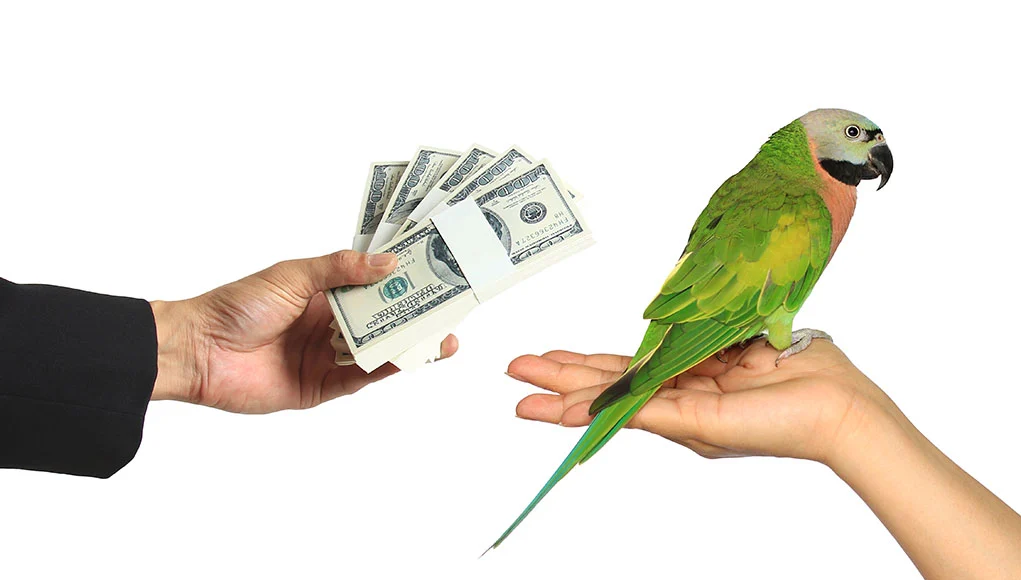
Many prospective parrot owners dramatically underestimate the financial commitment required for proper parrot care. According to the Association of Avian Veterinarians, nearly 30% of parrot surrenders to rescues are due to financial constraints that owners didn't anticipate when they first brought their bird home.
Financial Reality Check: The first year of parrot ownership typically costs 2-3 times more than the initial purchase price of the bird itself. Large parrot species like Macaws and Cockatoos can easily cost $4,000-$7,000 in the first year alone.
This comprehensive cost calculator and guide will help you understand every expense associated with parrot ownership, from the initial setup to ongoing care and unexpected emergencies. Proper financial planning ensures you can provide your feathered companion with the quality care they deserve throughout their potentially 50+ year lifespan.
"Budgeting for a parrot isn't like budgeting for other pets. You're making a financial commitment that could span decades and requires planning for both routine care and unexpected emergencies." - Emily Chen, Avian Financial Planning Specialist
Ready to find your perfect parrot companion?
Browse Our Available Parrots with Transparent PricingInteractive Parrot Cost Calculator
Use this interactive calculator to estimate the costs for your specific situation. Adjust the inputs based on your location, chosen species, and care preferences.
Parrot Cost Calculator
Note: This calculator provides estimates based on average market prices. Actual costs may vary based on your location, specific brand choices, and individual parrot needs. Always budget 15-20% extra for unexpected expenses.
Initial Setup Costs: One-Time Investments
The initial setup represents your largest one-time investment in parrot ownership. These costs occur before or immediately after bringing your parrot home.
Comprehensive Initial Cost Breakdown
| Expense Category | Small Parrots | Medium Parrots | Large Parrots | Notes |
|---|---|---|---|---|
| Parrot Purchase/Adoption | $50-$300 | $300-$1,500 | $1,000-$4,000+ | Price varies by species, age, and source |
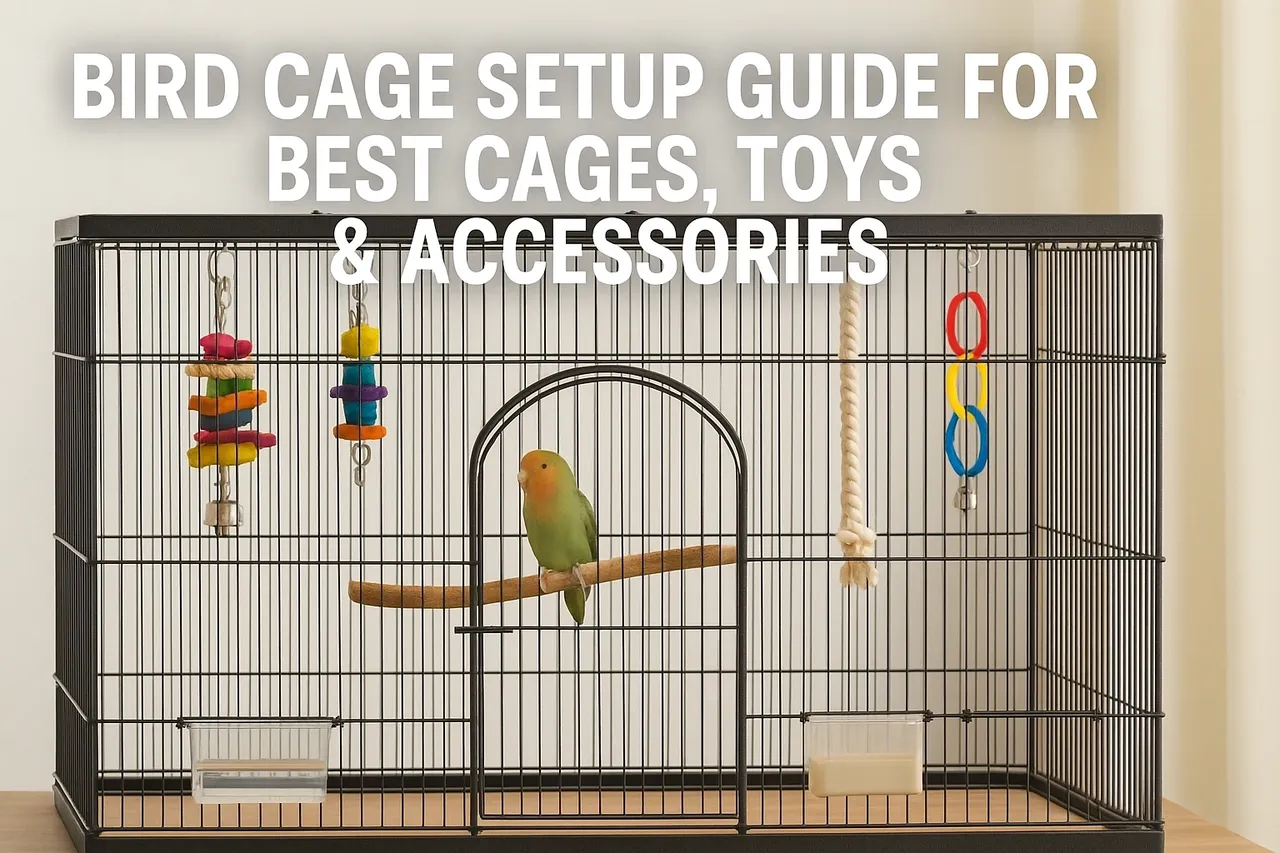
| Cage & Stand | $100-$300 | $300-$700 | $800-$2,500+ | Larger species need commercial-grade cages |
| Initial Vet Visit | $100-$200 | $150-$300 | $200-$500 | Wellness exam, blood work, and testing |
| Basic Accessories | $100-$200 | $200-$400 | $300-$600 | Perches, bowls, basic toys |
| Initial Food Supply | $30-$60 | $50-$100 | $80-$150 | Pellets, seeds, treats, supplements |
| Travel Carrier | $30-$60 | $50-$100 | $80-$200 | For vet visits and travel |
| Miscellaneous Setup | $50-$100 | $100-$200 | $150-$300 | Cleaning supplies, first aid, etc. |
| Total Initial Investment | $460-$1,220 | $1,100-$3,300 | $2,610-$8,250+ | One-time setup costs |
Budget Warning: Never purchase a parrot if you can't afford the proper setup. Inadequate housing and accessories lead to behavioral and health issues that cost far more to address later. According to PetMD, improper initial setup is a leading cause of parrot health problems in the first year.
Cage Investment: Why Quality Matters
Your parrot's cage is their home and represents your single largest initial expense. Quality cages last decades, while cheap cages may need replacement within a few years—especially with larger, more destructive species.
- Powder-coated stainless steel: Most durable and safe option ($300-$2,500)
- Wrought iron with safe coating: Good durability for medium species ($200-$800)
- Avoid galvanized steel: Can cause zinc poisoning over time
- Proper bar spacing: Critical for safety—follow species guidelines
Need help choosing the right cage for your budget?
Get Personalized Cage RecommendationsMonthly Expenses: Ongoing Care Budget
Monthly costs represent the ongoing financial commitment of parrot ownership. These recurring expenses continue for the lifespan of your bird, which can be 10-80 years depending on species.
Monthly Cost Breakdown by Expense Category
Small Parrots Monthly
Total: $38-$75 monthly
Large Parrots Monthly
Total: $145-$300 monthly
Food Costs: Quality Matters
Nutrition is the foundation of parrot health, and food quality significantly impacts both cost and health outcomes.
- Premium pellets: $5-$20 per pound depending on brand and formulation
- Fresh produce: $10-$40 monthly depending on variety and quality
- Healthy treats: $5-$15 monthly for nuts, dried fruits, etc.
- Supplements: $5-$10 monthly for calcium, vitamins if needed
According to the ASPCA, proper nutrition can prevent up to 80% of common health issues in companion parrots, saving significantly on veterinary costs over their lifetime.
Toy Replacement Costs
Toys are not optional expenses—they're essential for mental health and preventing behavioral issues.
- Destructible toys: Need replacement every 2-8 weeks depending on species
- Foraging toys: Can last longer but may need periodic replacement
- Puzzle toys: Durable but may need replacement parts
- Rotation strategy: Having multiple toys and rotating them extends life
Veterinary Care: Routine & Emergency Expenses
Avian veterinary care is specialized and often more expensive than care for cats or dogs. Budgeting for both routine and emergency care is essential.
Routine Veterinary Costs
| Service | Frequency | Cost Range | Notes |
|---|---|---|---|
| Wellness Exam | Annual | $75-$150 | Basic health assessment |
| Blood Work | Annual/Biannual | $100-$250 | CBC, chemistry panel |
| Fecal Testing | Annual | $25-$50 | Parasite screening |
| Beak/Nail Trim | As needed | $15-$40 | Some birds need regular trims |
| Wing Trim | 2-4 times yearly | $15-$30 | If you choose to trim wings |
| Annual Routine Total | $230-$520 | Per year |
Emergency Veterinary Costs
Emergency care represents the most significant and unpredictable veterinary expenses. Having an emergency fund is non-negotiable for responsible parrot ownership.
- Emergency exam: $100-$200 (after-hours premium)
- X-rays: $150-$400 (multiple views often needed)
- Emergency surgery: $800-$2,500+ (egg binding, fractures, etc.)
- Hospitalization: $200-$500 per night (ICU care extra)
- Medications
Varies $30-$200 Antibiotics, antifungals, etc. Typical Emergency Total $1,000-$3,000+ Per incident
Emergency Fund Essential: Every parrot owner should maintain a dedicated emergency fund of $1,500-$3,000 specifically for unexpected veterinary expenses. According to avian veterinary statistics, 1 in 3 parrots will require emergency care at some point in their life.
Species-Specific Cost Comparison
Different parrot species have dramatically different cost profiles. Understanding these differences helps you choose a species that fits your budget.
First-Year Total Cost Comparison
| Species | Purchase Price | Initial Setup | First Year Ongoing | First Year Total | Notes |
|---|---|---|---|---|---|
| Budgerigar (Budgie) | $20-$50 | $300-$600 | $450-$900 | $770-$1,550 | Most economical option |
| Cockatiel | $80-$200 | $400-$800 | $600-$1,000 | $1,080-$2,000 | Good beginner bird |
| Green-cheeked Conure | $250-$500 | $500-$900 | $700-$1,200 | $1,450-$2,600 | Popular medium species |
| African Grey | $1,000-$2,500 | $1,000-$2,000 | $1,200-$2,000 | $3,200-$6,500 | High intelligence = more toys |
| Blue & Gold Macaw | $1,200-$3,000 | $1,500-$3,000 | $1,800-$3,600 | $4,500-$9,600 | Large cage & food costs |
| Umbrella Cockatoo | $1,000-$3,000 | $1,500-$3,000 | $2,000-$4,000 | $4,500-$10,000 | High destruction = toy costs |
Lifetime Cost Projections
When considering lifetime costs, factor in both the species' lifespan and their ongoing expense level.
- Budgies (5-10 year lifespan): $4,000-$8,000 lifetime
- Cockatiels (15-20 year lifespan): $16,000-$40,000 lifetime
- African Greys (40-60 year lifespan): $128,000-$390,000 lifetime
- Macaws (50-80 year lifespan): $225,000-$768,000+ lifetime
Long-term Planning: These lifetime projections don't account for inflation, which could double or triple these amounts over a large parrot's lifespan. Consider setting up a dedicated savings account or trust for your parrot's future care.
Unsure which parrot species fits your budget?
Get Personalized Species RecommendationsBudget Planning Strategies & Tips
Smart financial planning makes parrot ownership sustainable and ensures you can always provide proper care.
Proactive Budgeting Strategies
- Emergency fund first: Save $1,500-$3,000 before getting a parrot
- Monthly savings account: Automatically transfer parrot care funds
- Annual cost averaging: Divide annual costs by 12 for monthly budgeting
- Bulk purchasing: Save 15-30% on food and supplies bought in bulk
- DIY toys: Make safe toys from household items to reduce costs
- Preventative care focus: Regular vet visits prevent expensive emergencies
Cost-Saving Without Compromising Care
Some expenses can be reduced without impacting your parrot's quality of life:
- Food: Buy pellets in bulk, purchase seasonal produce
- Toys: Make DIY toys from safe materials, rotate to extend life
- Supplies: Look for sales, buy generic when safe and effective
- Preventative care: Regular grooming prevents expensive vet procedures
Never Compromise On: Veterinary care, cage quality, or nutrition. Cutting corners in these areas leads to much higher costs later and compromises your parrot's welfare.
Pet Insurance & Financial Protection
Pet insurance can provide financial security against unexpected veterinary expenses, but policies vary significantly in coverage and cost.
Avian Insurance Considerations
| Insurance Type | Monthly Cost | Coverage | Deductible | Best For |
|---|---|---|---|---|
| Accident Only | $8-$15 | Emergency visits, injuries | $100-$250 | Budget-conscious owners |
| Comprehensive | $20-$40 | Accidents, illnesses, wellness | $100-$500 | Full protection seekers |
| Wellness Plans | $10-$20 | Routine care only | None | Predictable budgeting |
| Major Medical | $15-$30 | Serious conditions only | $250-$1,000 | Emergency protection |
Is Pet Insurance Worth It?
Consider these factors when deciding on insurance:
- Species lifespan: Longer-lived species benefit more from insurance
- Your emergency fund: If you have $3,000+ in savings, you might self-insure
- Breed predispositions: Some species have higher health risks
- Your risk tolerance: How would a $3,000 emergency impact you?
According to data from Pet Insurance providers, parrot owners with insurance are 60% more likely to pursue recommended treatments for serious conditions compared to those without coverage.
Lifetime Ownership Cost Projections
Understanding the total financial commitment helps put parrot ownership in perspective and ensures long-term planning.
Lifetime Cost Estimates by Species
| Species | Average Lifespan | Initial + First Year | Annual Ongoing | Lifetime Total | With Inflation* |
|---|---|---|---|---|---|
| Budgerigar | 5-8 years | $770-$1,550 | $450-$900 | $3,000-$8,700 | $4,500-$13,000 |
| Cockatiel | 15-20 years | $1,080-$2,000 | $600-$1,000 | $10,000-$22,000 | $18,000-$44,000 |
| African Grey | 40-60 years | $3,200-$6,500 | $1,200-$2,000 | $51,000-$126,000 | $128,000-$390,000 |
| Macaw | 50-80 years | $4,500-$9,600 | $1,800-$3,600 | $94,000-$288,000 | $225,000-$768,000 |
*Assumes 3% annual inflation over the parrot's lifespan
Planning for Your Parrot's Future
With lifespans potentially exceeding human careers and retirement, advanced planning is essential:
- Establish a trust: Legal provision for your parrot's care if something happens to you
- Identify caregivers: Designate and prepare backup caregivers
- Document care instructions: Detailed guide to your parrot's needs and preferences
- Financial provisions: Ensure adequate funds for your parrot's lifetime care
Estate Planning Essential: For large parrot species with 50+ year lifespans, proper estate planning is not optional. Work with an attorney experienced in pet trusts to ensure your parrot's future is secure.
Frequently Asked Questions
How much does it cost to own a parrot for the first year?
First-year costs range from $1,500-$5,000+ depending on species. Small parrots like budgies cost $1,500-$2,500, medium parrots like African Greys $3,000-$4,500, and large parrots like Macaws $4,000-$7,000+. This includes purchase price, cage setup, initial veterinary care, and first-year supplies.
What are the ongoing monthly costs of parrot ownership?
Monthly costs range from $50-$300+ depending on species size. Food costs $20-$100 monthly, toys $15-$50, bedding $5-$20, and miscellaneous supplies $10-$50. Larger parrots have significantly higher food and toy replacement costs. Always budget an additional 20% for unexpected expenses.
How much should I budget for parrot veterinary care?
Budget $200-$500 annually for routine care including wellness exams, and $1,000-$3,000 for an emergency fund. Avian veterinary care is specialized and expensive—emergency surgeries can cost $800-$2,500. Consider pet insurance costing $15-$40 monthly depending on coverage.
Are some parrot species more expensive to maintain than others?
Yes, larger species have significantly higher costs. Macaws and Cockatoos require massive cages ($800-$2,000), eat more food ($80-$150 monthly), and need constant toy replacement ($50-$100 monthly). Smaller species like budgies and cockatiels have more manageable ongoing costs but still require quality care and regular veterinary attention.
What unexpected costs should I prepare for when owning a parrot?
Prepare for emergency veterinary care ($500-$3,000), home repairs from chewing damage, specialized air purifiers ($200-$600), boarding costs during travel ($15-$40 daily), and replacement of destroyed household items. Also budget for behavioral consultation fees ($100-$300) if issues arise.
Is pet insurance worth it for parrots?
For most owners, yes—especially for expensive species or those with limited emergency savings. Insurance costs $15-$40 monthly but can save thousands in emergency situations. For owners with robust emergency funds ($5,000+), self-insuring might be an option, but insurance provides peace of mind.
How can I reduce parrot ownership costs without compromising care?
Buy food and supplies in bulk, make DIY toys from safe materials, focus on preventative care to avoid emergencies, and learn basic grooming techniques. Never compromise on cage quality, veterinary care, or nutrition—these "savings" cost much more in the long run.
Conclusion: Smart Financial Planning for Parrot Ownership
Parrot ownership represents a significant financial commitment that extends far beyond the initial purchase price. From proper housing and nutrition to veterinary care and unexpected emergencies, the costs can be substantial—especially for larger, longer-lived species.
The key to successful parrot ownership lies in comprehensive financial planning that accounts for both expected and unexpected expenses. By understanding the true costs upfront, creating a realistic budget, and establishing emergency funds or insurance coverage, you can ensure you're prepared to provide a lifetime of proper care for your feathered companion.
Remember that while the financial commitment is significant, the rewards of parrot ownership—the intelligence, companionship, and unique bond—are priceless for those prepared for the responsibility. With proper planning, you can enjoy decades of companionship without financial stress compromising your parrot's care.
Ready to Welcome a Parrot Into Your Family?
We offer transparent pricing and lifetime support to ensure you're fully prepared for parrot ownership.