African Grey Parrot: How to Spot Ethical Breeders and Avoid Scams
Marcus Rodriguez
Avian Behavior Specialist
Table of Contents
- Introduction: Why Ethical Breeders Matter
- Checklist: 10 Questions to Ask Every Breeder
- Red Flags: How to Spot a Scam or Unethical Breeder
- How to Verify a Breeder’s Reputation
- What to Look for During a Breeder Visit
- Tips for Safe Online Purchases
- Adoption vs. Buying: Pros and Cons
- Understanding African Grey Parrot Prices
- Frequently Asked Questions
- Conclusion: Your Next Steps
Introduction: Why Ethical Breeders Matter
African Grey Parrots are among the most intelligent and sensitive companion birds, capable of forming deep bonds with their human families. Their exceptional cognitive abilities and emotional needs make it crucial to source them from ethical, reputable breeders. Unfortunately, the popularity of African Greys has also led to an increase in unethical breeding practices and scams.
This guide will help you:
- Identify reputable African Grey breeders
- Recognize red flags and avoid scams
- Ask the right questions before purchasing
- Understand the differences between adoption and buying
- Prepare for a lifelong commitment to your new feathered family member
"The decision to bring an African Grey into your life should never be taken lightly. These birds can live for 50 years or more, and their well-being depends entirely on the choices you make—starting with where you get your bird." - Association of Avian Veterinarians
Did You Know?
African Greys are considered one of the most intelligent bird species, with cognitive abilities comparable to a 5-year-old child. Their emotional sensitivity makes them particularly vulnerable to poor breeding conditions.
Checklist: 10 Questions to Ask Every Breeder
Use this checklist to evaluate potential breeders. Ethical breeders will be transparent and happy to answer all your questions.
- Can I see health certifications? Ask for veterinary records, including tests for Psittacosis, PBFD, and Polyomavirus.
- What is the bird’s lineage? Ethical breeders track the genetic history of their birds to avoid inbreeding.
- Has the bird been hand-fed and socialized? Proper socialization is critical for African Greys.
- How long have you been breeding African Greys? Experience matters in producing healthy, well-adjusted birds.
- Do you specialize in African Greys? Specialization often indicates deeper knowledge and better care.
- Can I meet the bird’s parents? Observing the parents can give insight into your bird’s future temperament.
- What is your breeding philosophy? Ethical breeders prioritize health and temperament over profits.
- Do you offer post-purchase support? Reputable breeders provide guidance even after the sale.
- What is your return policy? Ethical breeders will always take back a bird they’ve sold.
- Can I visit your facility? A refusal is a major red flag.
- What diet and care routine do you recommend? Their answer should align with expert nutritional guidelines.
For more on what to look for in a healthy parrot, see our Guide to Selecting a Healthy Parrot.
Red Flags: How to Spot a Scam or Unethical Breeder
Be alert for these warning signs:
| Red Flag | Ethical Breeder | Unethical Breeder/Scam |
|---|---|---|
| Health Certifications | Provides full veterinary records | No records or vague assurances |
| Facility Visits | Welcomes visits | Refuses visits or meets in public |
| Price | Fair, market-rate pricing | Unusually low or high prices |
| Pressure to Buy | Encourages research and questions | Pressures for quick sale |
| Knowledge | Deep species-specific knowledge | Can’t answer basic questions |
| Bird Conditions | Clean, spacious, enriching environment | Dirty, crowded, or stressful conditions |
| Breeding Practices | Limits breeding pairs, prioritizes health | Overbreeding, poor care |
| Contract | Provides written health guarantee | No contract or verbal promises only |
Warning:
Never buy from a breeder who cannot provide health certifications or allows you to take a bird home without a vet check. These are hallmarks of pet scams.
How to Verify a Breeder’s Reputation
Take these steps to ensure you’re working with a reputable breeder:
- Check Affiliations: Look for membership in organizations like the American Federation of Aviculture or Association of Avian Veterinarians.
- Read Reviews: Search for independent reviews on forums like Parrot Forums or Reddit’s r/parrots.
- Ask for References: Ethical breeders will provide contact information for past customers.
- Visit in Person: If possible, visit the facility to see the conditions firsthand.
- Consult Your Avian Vet: They often know which local breeders have good reputations.
Pro Tip:
Join African Grey-specific groups on Facebook or other platforms. Experienced owners can often recommend (or warn against) specific breeders.
What to Look for During a Breeder Visit
If you visit a breeder’s facility, pay attention to:
- Cleanliness: Cages, food dishes, and water should be clean and well-maintained.
- Bird Behavior: Birds should appear alert, active, and curious. Lethargy or feather plucking are red flags.
- Socialization: Young birds should be comfortable with human interaction.
- Parent Birds: If possible, observe the parents. They should be healthy and well-cared for.
- Environment: Look for spacious cages, natural perches, and enrichment toys.
- Breeder Interaction: The breeder should handle birds gently and knowledgeably.
For a complete guide to parrot habitats, see our Parrot Cage Setup Guide.
Tips for Safe Online Purchases
If you’re buying an African Grey online, follow these precautions:
- Use Reputable Platforms: Stick to well-known sites with buyer protection, like BirdBreeders.com or FaunaClassifieds.
- Request Video Calls: Insist on live video calls to see the bird and facility.
- Avoid Wire Transfers: Use payment methods with fraud protection, like credit cards or PayPal.
- Get Everything in Writing: Ensure health guarantees and return policies are documented.
- Arrange a Vet Check: Have an avian vet examine the bird before finalizing the purchase.
- Meet at a Safe Location: If shipping isn’t an option, meet in a public place or at a vet’s office.
Scam Alert:
Never send money without seeing the bird (even via video) and receiving proper documentation. Scammers often use stolen photos and fake stories to exploit eager buyers.
Adoption vs. Buying: Pros and Cons
Consider both options before deciding:
| Adoption | Buying from a Breeder | |
|---|---|---|
| Cost | Generally lower ($200–$800) | Higher ($1,000–$3,500) |
| Health History | May be unknown or incomplete | Full health records provided |
| Age | Often adult birds | Typically young, hand-raised birds |
| Temperament | May require more patience and training | Socialized from a young age |
| Support | Varies by organization | Ongoing breeder support |
| Ethical Consideration | Provides a home for a bird in need | Supports responsible breeding |
For more on African Grey care, read our guide to understanding parrot emotional needs (many principles apply to African Greys as well).
Understanding African Grey Parrot Prices
Prices vary based on several factors:
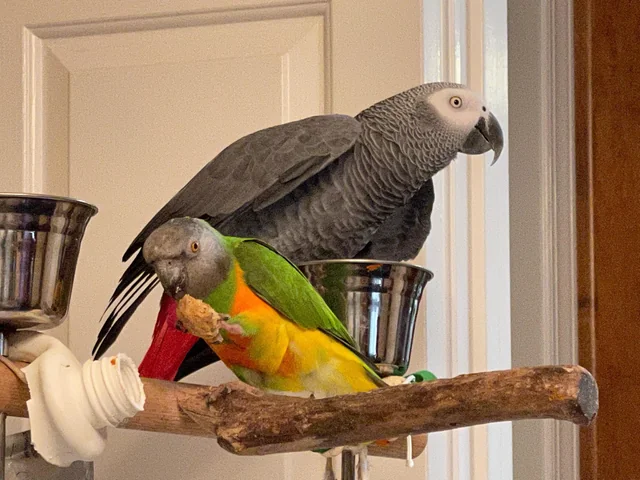
- Subspecies: Congo African Greys ($1,500–$3,500) are typically more expensive than Timneh African Greys ($1,000–$2,500).
- Breeder Reputation: Established, ethical breeders charge more for their expertise and care.
- Hand-Raised vs. Parent-Raised: Hand-raised birds cost more due to the labor involved.
- Color Mutations: Rare mutations (e.g., silver or pied) can command higher prices.
- Included Extras: Some breeders include cages, toys, or starter kits.
Budget Tip:
The initial purchase price is just the beginning. Use our Parrot Cost Calculator to estimate first-year and ongoing expenses, which can exceed $2,000 annually.
Frequently Asked Questions
What questions should I ask an African Grey breeder?
Ask about health certifications, the bird's lineage, socialization history, the breeder's experience, post-purchase support, and their return policy. Ethical breeders will be transparent and happy to answer all your questions. Avoid breeders who are vague or evasive.
How can I verify an African Grey breeder's reputation?
Check for affiliations with organizations like the American Federation of Aviculture or Association of Avian Veterinarians. Read reviews from past customers, ask for references, and visit their facility if possible. Reputable breeders will have a strong reputation and positive feedback.
What are the red flags when buying an African Grey?
Red flags include: no health certifications, refusal to allow facility visits, unusually low prices, lack of knowledge about the bird's history, pressure to buy quickly, or multiple birds housed in poor conditions. Always trust your instincts—if something feels off, walk away.
What is the average price of an African Grey Parrot?
The price of an African Grey Parrot typically ranges from $1,000 to $3,500, depending on factors such as breeder reputation, lineage, and whether the bird is hand-raised. Congo African Greys are usually more expensive than Timneh African Greys. Be cautious of prices that seem too good to be true.
Is it better to adopt or buy an African Grey Parrot?
Adoption is a wonderful option if you find a reputable rescue organization. Buying from an ethical breeder ensures you know the bird's full history and health background. Both options have pros and cons, so consider what's most important to you and your lifestyle.
How can I tell if an African Grey is healthy?
A healthy African Grey should have bright, clear eyes; smooth, vibrant feathers; clean nostrils; and a clean vent area. The bird should be alert, active, and show interest in its surroundings. Avoid birds that are lethargic, have discharge from eyes or nostrils, or show signs of feather plucking. For more details, see our Guide to Selecting a Healthy Parrot.
Conclusion: Your Next Steps
Finding an ethical African Grey breeder requires patience, research, and a willingness to ask tough questions. By following this guide, you’ll be well-equipped to:
- Identify reputable breeders who prioritize the health and well-being of their birds
- Avoid scams and unethical practices
- Make an informed decision that aligns with your lifestyle and values
- Prepare for a lifelong commitment to your African Grey’s care and happiness
Ready to Find Your African Grey?
At ParrotsForSaleNearMe.com, we partner with ethical breeders who meet our strict standards for health, socialization, and care. All our African Greys come with:
- Full health certifications
- Lifetime support
- A 30-day health guarantee
- Expert guidance on care and training
Browse Available African Greys
Or contact us to discuss your perfect parrot match!