Blue Macaw Buyer’s Guide: 7 Critical Questions to Ask Before Purchasing
Dr. Sarah Johnson
Certified Avian Veterinarian
Table of Contents
- Introduction: Why This Guide Matters
- Question 1: Can I See Health Certifications?
- Question 2: What Is the Bird’s Lineage?
- Question 3: Has the Bird Been Socialized?
- Question 4: What Is Your Breeding Philosophy?
- Question 5: Do You Offer Post-Purchase Support?
- Question 6: Can I Visit Your Facility?
- Question 7: What Is Your Return Policy?
- Red Flags: When to Walk Away
- Preparing for Your Blue Macaw
- Frequently Asked Questions
- Conclusion: Your Next Steps
Introduction: Why This Guide Matters
Buying a Blue Macaw is a lifelong commitment that requires careful planning and research. These magnificent birds can live for 50 years or more, making the decision to bring one into your home one of the most significant you'll ever make. Unfortunately, the excitement of acquiring a Blue Macaw can sometimes lead buyers to overlook critical details—resulting in heartbreak, financial loss, or even supporting unethical breeding practices.
This guide is designed to empower you with the knowledge to ask the right questions, recognize red flags, and make an informed decision. Whether you're a first-time parrot owner or adding to your avian family, these seven essential questions will help you find a healthy, well-adjusted Blue Macaw from a reputable source.
"A well-researched purchase isn't just about getting a healthy bird—it's about supporting ethical breeders and ensuring the long-term welfare of these incredible creatures." - American Federation of Aviculture
Did You Know?
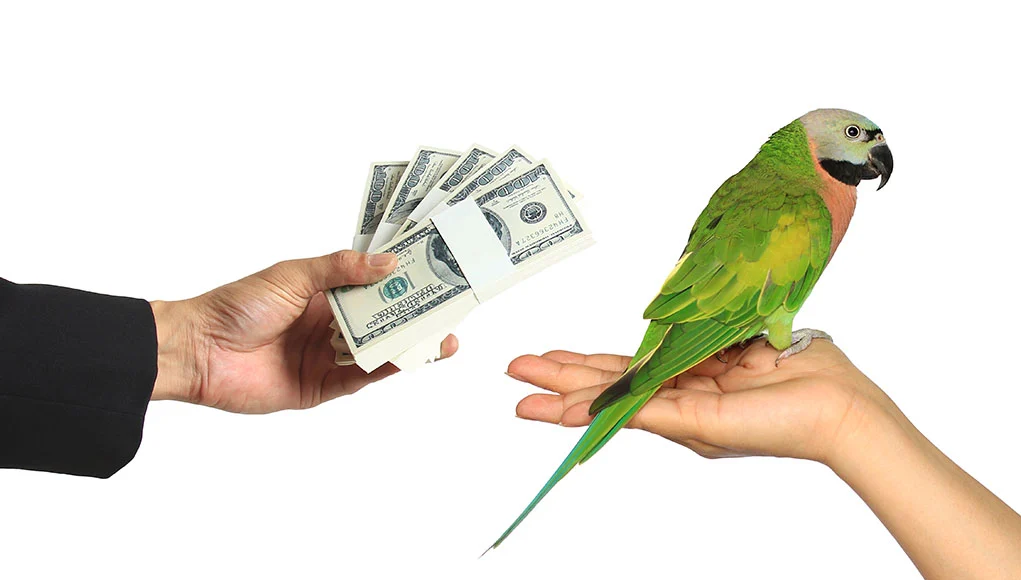
Blue Macaws, especially the Hyacinth Macaw, are among the most expensive parrots due to their rarity and striking appearance. Prices typically range from $1,500 to $3,500, but rare color mutations can exceed $10,000.
Question 1: Can I See Health Certifications?
Reputable breeders will provide veterinary health certificates for their birds. These should include:
- Results of avian vet examinations
- Proof of vaccination (if applicable)
- Negative test results for common avian diseases (Psittacosis, PBFD, Polyomavirus)
- Deworming and parasite control records
Ask specifically for documentation from a certified avian veterinarian. General pet vet records may not be sufficient, as avian medicine requires specialized knowledge.
Warning:
Never accept verbal assurances about a bird's health. Without written documentation, you have no proof of the bird's medical history.
For more on parrot health, read our guide to selecting a healthy parrot.
Question 2: What Is the Bird’s Lineage?
Understanding a Blue Macaw's lineage helps predict its future health and temperament. Ask about:
- Parents' health history and longevity
- Any known genetic issues in the bloodline
- Whether the parents are related (inbreeding increases health risks)
- Temperament of the parents and previous offspring
Reputable breeders maintain detailed records and will happily share this information. If a breeder seems vague or unwilling to discuss lineage, consider it a major red flag.
Pro Tip:
Blue Macaws from wild-caught parents may have different behavioral traits than those from captive-bred lines. Always ask if the parents were captive-bred or imported.
Question 3: Has the Bird Been Socialized?
Proper socialization is crucial for a well-adjusted Blue Macaw. Ask:
- At what age was the bird hand-fed and by whom?
- How often has the bird been handled and by how many people?
- Has the bird been exposed to different environments, sounds, and experiences?
- Does the bird show any signs of fear or aggression?
A well-socialized Blue Macaw should be comfortable with human interaction, new environments, and basic handling. Poor socialization can lead to behavioral problems that are difficult to correct.
Learn more about building trust with your Macaw.
Question 4: What Is Your Breeding Philosophy?
Ethical breeders prioritize the health and well-being of their birds over profits. Look for breeders who:
- Limit breeding pairs to prevent overproduction
- Provide spacious, enriching environments for their birds
- Focus on temperament and health in their breeding program
- Are transparent about their operations
Avoid breeders who:
- Breed birds continuously without rest
- Keep birds in small, crowded cages
- Can't answer basic questions about their birds' care
- Pressure you to make quick decisions
Recommended Resource:
Visit the American Federation of Aviculture for a list of ethical breeders and red flags to watch for.
Question 5: Do You Offer Post-Purchase Support?
A reputable breeder will offer ongoing support after your purchase. This should include:
- Guidance on diet and care
- Behavioral advice
- Veterinary recommendations
- Assistance with any issues that arise
Beware of breeders who disappear after the sale. A good breeder wants to ensure their birds thrive in their new homes.
Red Flag:
Breeders who don't ask you questions about your experience and home environment may not have the birds' best interests at heart.
Question 6: Can I Visit Your Facility?
Always insist on visiting the breeder's facility. This allows you to:
- See the conditions in which birds are kept
- Meet the bird's parents (if possible)
- Observe the bird's behavior in its current environment
- Verify the breeder's claims about their operation
If a breeder refuses visits or only meets in public places, this is a significant red flag. Ethical breeders are proud of their facilities and happy to show them to potential buyers.
Virtual Tours:
If distance prevents an in-person visit, request a live video tour of the facility. This is becoming more common and acceptable in the digital age.
Question 7: What Is Your Return Policy?
Life circumstances can change, and ethical breeders understand this. Ask about:
- Their policy if you can no longer care for the bird
- Any health guarantees and what they cover
- Their process for rehoming birds they've sold
A reputable breeder will always take back a bird they've sold rather than see it abandoned or rehomed improperly.
Important:
Never buy from a breeder who doesn't offer some form of return or rehoming policy. This suggests they don't take responsibility for their birds' lifelong welfare.
Red Flags: When to Walk Away
Be alert for these warning signs of disreputable breeders or scams:
- No health certifications or veterinary records
- Refusal to allow facility visits or meet the parents
- Pressure to make quick decisions or pay deposits
- Unusually low prices (especially for rare species)
- Multiple breeds available without specialization
- Birds kept in poor conditions (small cages, dirty environments)
- Breeder can't answer basic questions about the species
- No contract or guarantee provided
If you encounter any of these red flags, trust your instincts and find another breeder. The Humane Society offers excellent resources on identifying pet scams.
Preparing for Your Blue Macaw
Once you've found your perfect Blue Macaw, proper preparation is essential:
Essential Supplies:
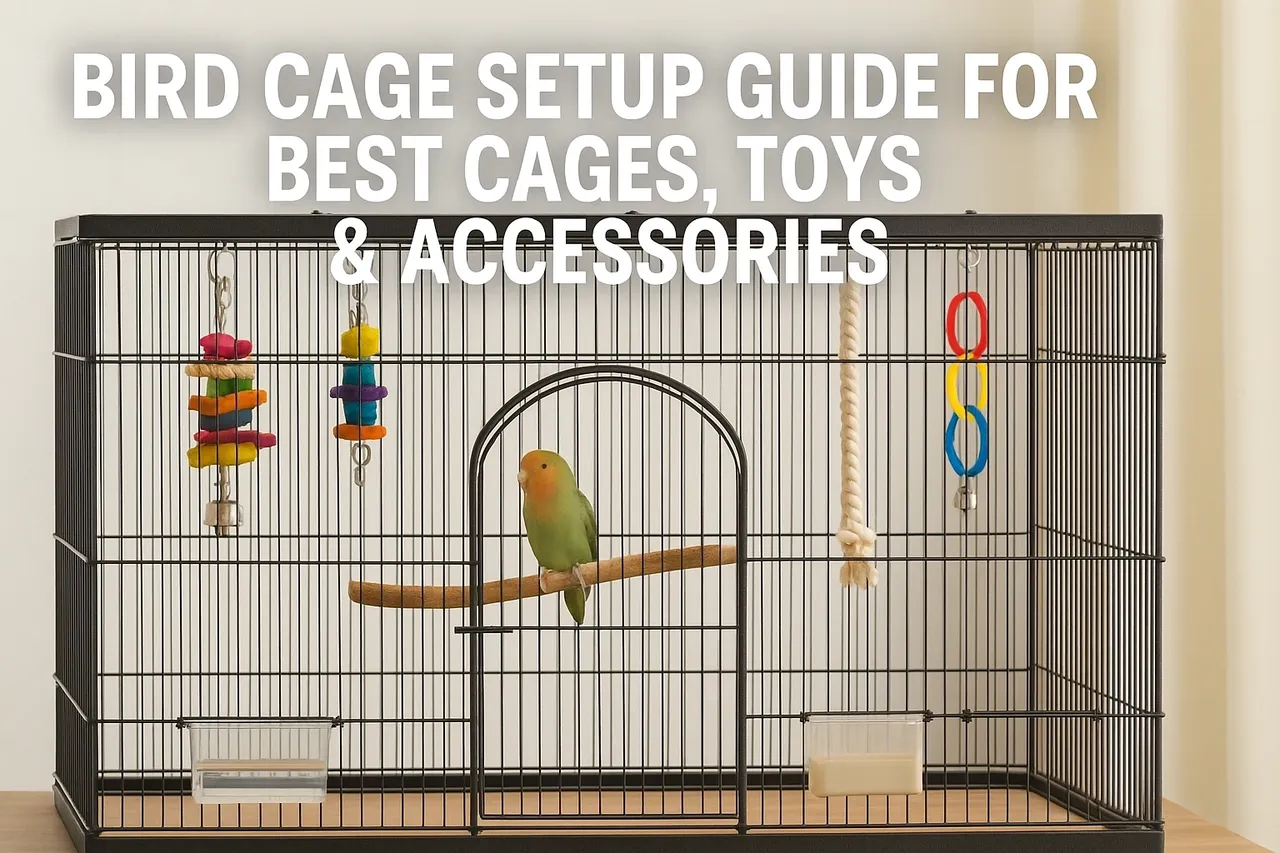
- Large, sturdy cage (minimum 5'x5'x3' for a Blue and Gold Macaw)
- High-quality pellets and fresh food
- Stainless steel bowls for food and water
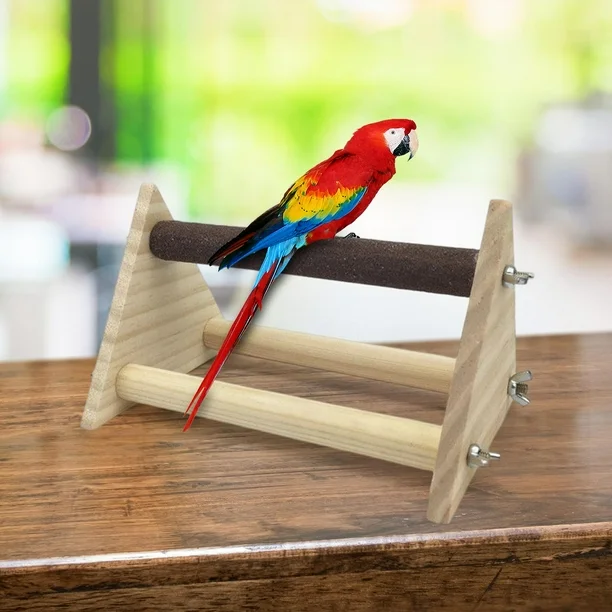
- Variety of perches and toys for mental stimulation
- Bird-safe cleaning supplies
- First aid kit and avian vet contact information
Home Preparation:
- Bird-proof your home (cover windows, remove toxic plants, secure electrical cords)
- Designate a quiet area for the cage away from drafts and kitchen fumes
- Establish a routine for feeding, cleaning, and interaction
For a complete setup guide, see our Parrot Cage Setup Guide.
Budget Consideration:
The initial cost of a Blue Macaw is just the beginning. Annual expenses for food, vet care, toys, and supplies typically range from $1,000 to $2,500. Use our Parrot Cost Calculator to plan your budget.
Frequently Asked Questions
What is the average price of a Blue Macaw?
The price of a Blue Macaw typically ranges from $1,500 to $3,500, depending on factors such as breeder reputation, lineage, and whether the bird is hand-raised. Rare color mutations or particularly well-socialized birds may command higher prices. Always be cautious of prices that seem too good to be true, as they may indicate scams or unhealthy birds.
How can I verify if a Blue Macaw breeder is reputable?
Reputable breeders will provide health certifications, allow visits to their facility, offer post-purchase support, and be transparent about the bird's lineage and socialization history. Look for breeders affiliated with organizations like the American Federation of Aviculture or Association of Avian Veterinarians. Avoid breeders who refuse to answer questions or pressure you into a quick sale.
What are the red flags when buying a Blue Macaw?
Red flags include: no health certifications, refusal to allow facility visits, unusually low prices, lack of knowledge about the bird's history, pressure to buy quickly, or multiple birds housed in poor conditions. Always trust your instincts—if something feels off, walk away and find another breeder.
What should I look for in a healthy Blue Macaw?
A healthy Blue Macaw should have bright, clear eyes; smooth, vibrant feathers; clean nostrils; and a clean vent area. The bird should be alert, active, and show interest in its surroundings. Avoid birds that are lethargic, have discharge from eyes or nostrils, or show signs of feather plucking.
How long do Blue Macaws live?
With proper care, Blue Macaws can live 50-60 years in captivity. Some individuals have been known to reach 80 years or more. This extraordinary lifespan means owning a Blue Macaw is a commitment that may span generations.
Are Blue Macaws good for first-time owners?
Blue Macaws can be challenging for first-time owners due to their size, intelligence, and specific care requirements. However, with thorough research, proper preparation, and commitment to training, they can make wonderful companions for dedicated beginners. Consider starting with our Macaw Training Guide.
Conclusion: Your Next Steps
Buying a Blue Macaw is a significant decision that requires careful consideration and thorough research. By asking these seven critical questions and being aware of red flags, you'll be well-equipped to find a healthy, well-adjusted bird from an ethical source.
Remember that the purchase is just the beginning of your journey. Proper care, training, and socialization will ensure a lifelong bond with your new feathered family member.
Ready to Find Your Perfect Blue Macaw?
At ParrotsForSaleNearMe.com, we specialize in connecting responsible buyers with ethical breeders. Our Blue Macaws are hand-raised, vet-checked, and come with lifetime support.
Or contact us to discuss your perfect parrot match!