Cockatoo Adoption vs. Buying: Pros, Cons, and Hidden Costs Revealed
Emily Chen
Parrot Behavior Consultant
Table of Contents
- Introduction: Why This Decision Matters
- Adoption: The Pros
- Adoption: The Cons
- Buying from a Breeder: The Pros
- Buying from a Breeder: The Cons
- Cost Comparison: Adoption vs. Buying
- Hidden Costs of Cockatoo Ownership
- Cockatoo Species: Which Is Right for You?
- The Cockatoo Adoption Process
- Checklist: How to Find a Reputable Breeder
- Behavioral Considerations
- Long-Term Commitment: What to Expect
- Resources for Finding Cockatoos
- Frequently Asked Questions
- Conclusion: Making the Right Choice
Introduction: Why This Decision Matters
Cockatoos are among the most emotionally complex and demanding companion birds. Their intelligence, affectionate nature, and potential for behavioral issues make the decision to adopt or buy a critical one. This choice will impact not only your wallet but also the well-being of your feathered companion for decades to come.
This guide will help you:
- Weigh the pros and cons of adoption vs. buying
- Understand the true costs of Cockatoo ownership
- Identify reputable breeders and rescue organizations
- Prepare for the long-term commitment of Cockatoo care
- Find the right Cockatoo species for your lifestyle
"Cockatoos are not pets; they are lifelong companions with the emotional depth of a toddler and the longevity of a human. The decision to bring one into your home should never be made lightly." - Association of Avian Veterinarians
Did You Know?
Cockatoos can live 40 to 70 years in captivity, with some species like the Major Mitchell's Cockatoo reaching ages over 80. This makes them a lifelong commitment that may outlive their owners.
Adoption: The Pros
✅ Benefits of Adopting a Cockatoo
- Lower Cost: Adoption fees ($200–$800) are significantly less than purchasing from a breeder.
- Saving a Life: Many Cockatoos in rescues need homes due to owner surrender or neglect.
- Adult Birds: Adopting an adult means you know the bird's personality and size, avoiding surprises.
- Supporting Rescues: Your adoption fee helps fund the rescue's ongoing work.
- Avoiding Breeder Risks: No concerns about unethical breeding practices.
- Potential for Bonding: Many rescued Cockatoos form deep bonds with their new owners.
For more on Cockatoo care, read our Cockatoo Care 101 Guide.
Adoption: The Cons
❌ Challenges of Adopting a Cockatoo
- Unknown History: Many rescues have limited information about the bird's past, which can lead to unexpected behavioral or health issues.
- Behavioral Issues: Some rescued Cockatoos may have developed problems like feather plucking or screaming due to past neglect.
- Limited Species Choice: You may not find the specific species or color mutation you want.
- Less Predictability: Unlike hand-raised babies, adult Cockatoos may have established habits that are difficult to change.
- Potential for Rehoming Trauma: Some birds may need extra time and patience to adjust to a new home.
Warning:
Not all rescues are created equal. Avoid "backyard rescues" that may not properly vet birds or adopters. Look for organizations with a strong reputation and transparent adoption process.
Buying from a Breeder: The Pros
✅ Benefits of Buying from a Breeder
- Known History: Reputable breeders provide full health and lineage records.
- Hand-Raised Babies: You can bond with a young bird from the start.
- Species Choice: You can select the exact species, color mutation, and even gender.
- Health Guarantees: Ethical breeders offer health guarantees and post-purchase support.
- Predictable Temperament: Properly socialized babies are less likely to develop behavioral issues.
- Breeder Support: Good breeders provide ongoing advice and guidance.
Buying from a Breeder: The Cons
❌ Challenges of Buying from a Breeder
- High Cost: Prices range from $1,500 to $4,000 or more, depending on the species.
- Risk of Scams: The popularity of Cockatoos has led to an increase in unethical breeders and scams.
- Supporting Breeding: Some argue that buying encourages the breeding industry, which can contribute to overpopulation.
- Unknown Long-Term Health: Even with health guarantees, genetic issues may not appear until later in life.
- Waiting Lists: Reputable breeders often have long waitlists for their birds.
Pro Tip:
If you choose to buy, always visit the breeder's facility in person. Never purchase a Cockatoo sight unseen. For a list of red flags, see our Blue Macaw Buyer's Guide (many principles apply to Cockatoos as well).
Cost Comparison: Adoption vs. Buying
| Adoption | Buying from Breeder | |
|---|---|---|
| Initial Cost | $200–$800 | $1,500–$4,000+ |
| Vet Check | Often included | Your responsibility ($100–$300) |
| Health Guarantee | Varies by rescue | Typically 30–90 days |
| Age of Bird | Usually adult (3+ years) | Typically baby (3–6 months) |
| Species Availability | Limited to surrendered birds | Full range of species and mutations |
| Behavioral Predictability | Less predictable | More predictable (if properly socialized) |
| Support | Varies by organization | Ongoing breeder support |
For a detailed breakdown of parrot ownership costs, use our Parrot Cost Calculator.
Cockatoo Species: Which Is Right for You?
Not all Cockatoos are alike. Here are the most common species kept as pets, along with their unique traits:


| Species | Size | Lifespan | Noise Level | Affection Level | Care Difficulty |
|---|---|---|---|---|---|
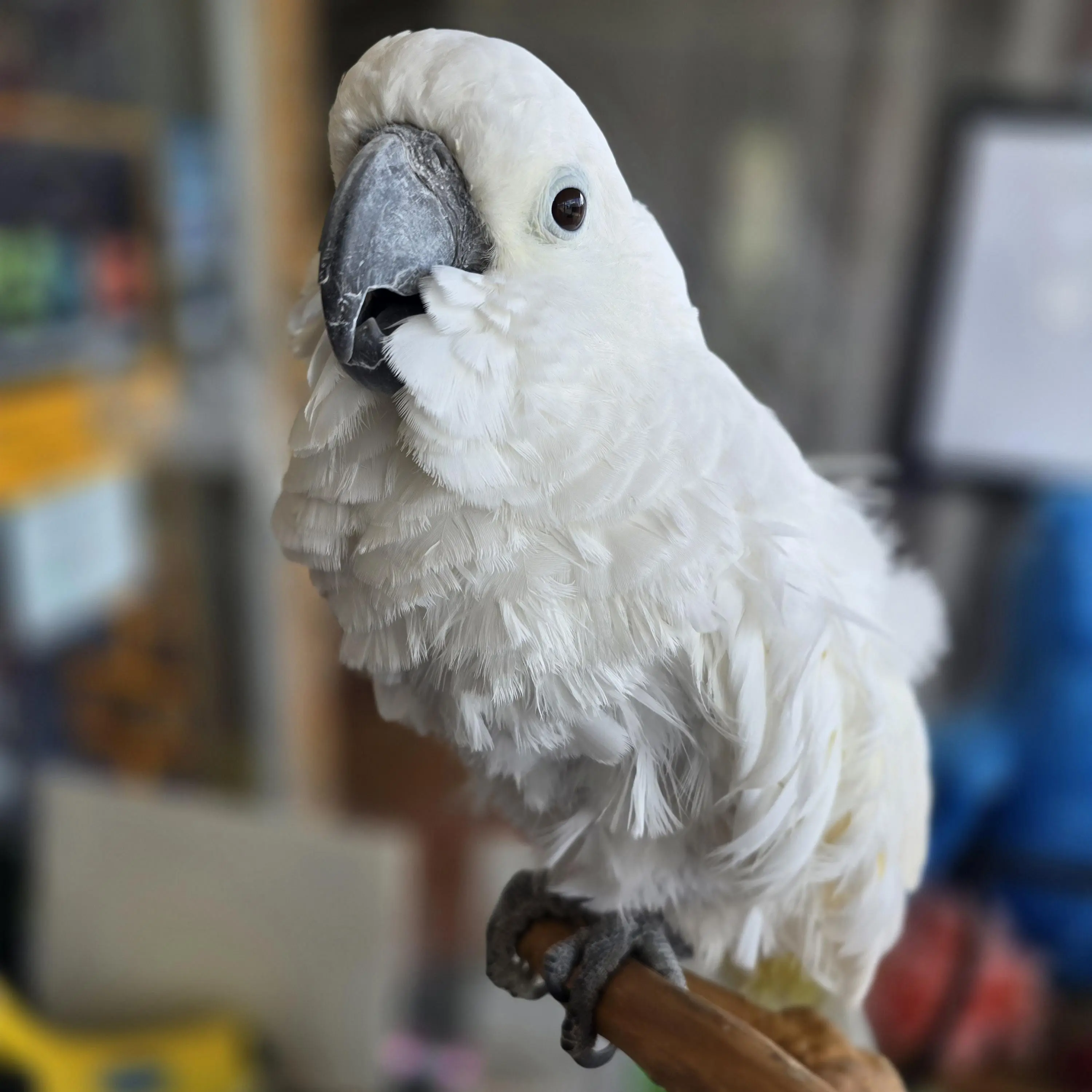
| Umbrella Cockatoo | 18–24 inches | 50–70 years | Very Loud | Very High | High |
| Moluccan Cockatoo | 18–22 inches | 40–60 years | Extremely Loud | Very High | Very High |
| Sulphur-crested Cockatoo | 18–22 inches | 40–60 years | Extremely Loud | High | High |
| Goffin's Cockatoo | 12–14 inches | 30–40 years | Loud | High | Medium |
| Bare-eyed Cockatoo | 16–18 inches | 40–50 years | Moderate to Loud | High | Medium |
| Major Mitchell's Cockatoo | 14–16 inches | 40–60 years | Moderate | Moderate | Medium |
For more on Cockatoo behavior and emotional needs, read our Cockatoo Care 101 Guide.
The Cockatoo Adoption Process
Adopting a Cockatoo typically involves these steps:
- Research: Identify reputable rescues or adoption organizations. Avoid "backyard rescues" with poor reviews.
- Application: Complete an adoption application, which may include questions about your experience and home environment.
- Interview: Many organizations conduct phone or in-person interviews to ensure you're a good fit.
- Home Check: Some rescues require a home visit to verify your setup is safe and appropriate.
- Meet the Bird: Spend time with the Cockatoo to assess compatibility. Some organizations require multiple visits.
- Adoption Fee: Pay the adoption fee, which typically covers basic vet care and sometimes includes a starter kit.
- Trial Period: Some rescues offer a trial period to ensure the bird adjusts well to your home.
- Finalization: Complete the adoption paperwork and bring your new companion home.
Reputable Rescue Organizations:
- Phoenix Landing (U.S.)
- The Gabriel Foundation (U.S.)
- World Parrot Trust (International)
- Australian Parrot Sanctuary (Australia)
Checklist: How to Find a Reputable Breeder
If you decide to buy from a breeder, use this checklist to ensure they are ethical and responsible:
- Health Certifications: Ask for veterinary records, including tests for Psittacosis, PBFD, and Polyomavirus.
- Facility Visit: Insist on visiting the breeder's facility to see the conditions firsthand.
- Specialization: Look for breeders who specialize in Cockatoos, not those who breed multiple species.
- Socialization: Ensure the birds are hand-raised and well-socialized from a young age.
- Parent Birds: Ask to meet the parents to assess their health and temperament.
- Breeding Practices: Ethical breeders limit breeding pairs and prioritize the birds' well-being.
- Post-Purchase Support: Reputable breeders offer ongoing advice and support.
- Health Guarantee: Look for a written health guarantee (typically 30–90 days).
- Return Policy: Ethical breeders will always take back a bird they've sold.
- References: Ask for references from past customers.
- Transparency: Avoid breeders who are vague about their practices or the bird's history.
Red Flags:
Avoid breeders who:
- Refuse to allow facility visits
- Pressure you to make a quick decision
- Cannot provide health certifications
- Have multiple species available without specialization
- Offer unusually low prices or "deals"
- Keep birds in poor or crowded conditions
Behavioral Considerations
Cockatoos are known for their complex emotional needs. Consider these behavioral factors:
✅ Positive Traits
- Extremely affectionate and bonded to their owners
- Highly intelligent and capable of learning tricks
- Playful and entertaining
- Can be very cuddly and enjoy physical contact
❌ Challenging Traits
- Prone to separation anxiety and depression
- Can develop destructive behaviors like feather plucking
- Extremely loud, especially in the morning and evening
- May become aggressive if not properly socialized
- Require several hours of attention daily
For tips on managing Cockatoo behavior, see our Cockatoo Care Guide.
Long-Term Commitment: What to Expect
Owning a Cockatoo is a decades-long commitment. Here's what to prepare for:
- Daily Interaction: Cockatoos need 4–6 hours of direct interaction and mental stimulation daily.
- Noise: Their loud calls can be heard for miles and may not be suitable for apartments or close neighbors.
- Mess: Cockatoos produce a fine powder down and can be destructive to furniture and household items.
- Diet: They require a varied diet of high-quality pellets, fresh fruits, vegetables, and healthy fats.
- Vet Care: Regular checkups with an avian vet are essential for their health.
- Lifestyle Changes: Your bird will impact your ability to travel, work long hours, and even your social life.
- Estate Planning: Given their long lifespan, you should include your Cockatoo in your estate planning.
Lifespan Reality:
Many Cockatoos outlive their owners. It's crucial to have a plan for your bird's care in the event of your illness or death. Some rescues offer "lifetime care" programs for this purpose.
Resources for Finding Cockatoos
Use these resources to find reputable breeders and rescues:
🌍 International
- Parrot Alert (Adoption listings)
- BirdBreeders.com (Breeder directory)
- FaunaClassifieds (Breeder and adoption listings)
🇺🇸 United States
- Phoenix Landing (Rescue)
- The Gabriel Foundation (Rescue)
- American Federation of Aviculture (Breeder referrals)
🇬🇧 United Kingdom
- World Parrot Trust (Rescue and breeder resources)
- The Parrot Society UK (Breeder directory)
🇦🇺 Australia
- Australian Parrot Sanctuary (Rescue)
- Birds Queensland (Breeder and rescue resources)
Frequently Asked Questions
Is it better to adopt or buy a Cockatoo?
The best choice depends on your priorities. Adoption is typically less expensive and provides a home for a bird in need, but you may have less information about the bird's history. Buying from a reputable breeder ensures you know the bird's full health and socialization background, but costs more. Both options have unique benefits and challenges.
What are the hidden costs of owning a Cockatoo?
Hidden costs include: specialized vet care, high-quality diet, replacement toys and perches (which Cockatoos destroy quickly), emergency medical funds, and potential home modifications to accommodate their noise and mess. Annual costs can exceed $2,000, and unexpected vet bills can run into thousands.
How much does a Cockatoo cost to adopt vs. buy?
Adoption fees typically range from $200 to $800, while purchasing from a breeder can cost $1,500 to $4,000 or more, depending on the species and breeder reputation. Rare species like the Black Palm Cockatoo can cost $15,000 or more.
What should I look for in a reputable Cockatoo breeder?
Reputable breeders provide health certifications, allow facility visits, specialize in Cockatoos, offer post-purchase support, and prioritize the birds' well-being over profits. They should be knowledgeable about Cockatoo care and behavior, and willing to answer all your questions.
Are adopted Cockatoos more likely to have behavioral issues?
Adopted Cockatoos may have behavioral challenges due to past neglect or multiple homes, but many thrive with proper care and patience. Buying a hand-raised Cockatoo from an ethical breeder reduces the risk of behavioral issues, but individual temperament varies regardless of origin.
How do I prepare my home for a Cockatoo?
Cockatoo-proof your home by:
- Removing toxic plants and household hazards
- Securing electrical cords and windows
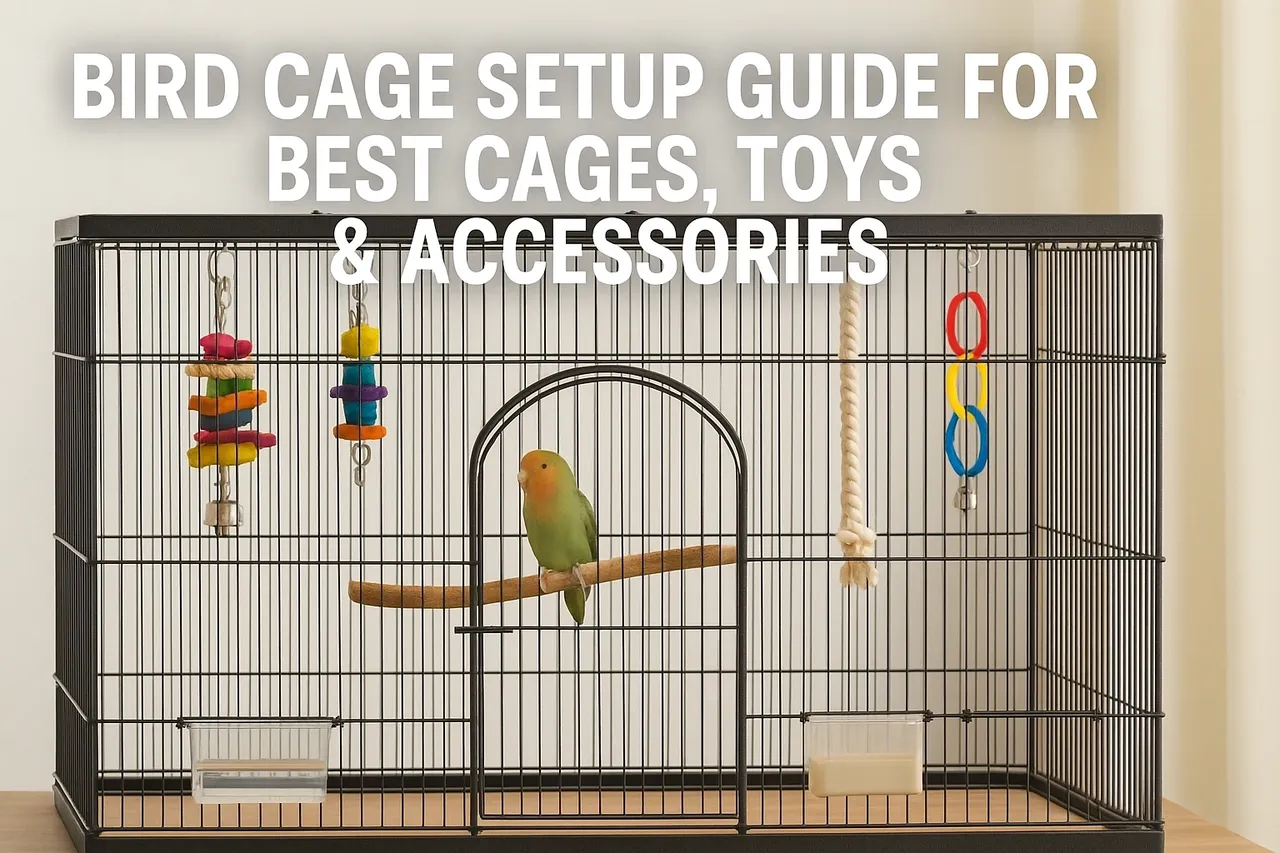
- Setting up a large, sturdy cage in a draft-free area
- Investing in high-quality toys and perches
- Creating a quiet space for your bird to retreat
For a complete guide, see our Parrot Cage Setup Guide.
What is the best Cockatoo species for first-time owners?
Goffin's Cockatoos and Bare-eyed Cockatoos are often recommended for first-time owners due to their smaller size and slightly less demanding care requirements. However, all Cockatoos require significant time and commitment. Consider volunteering with a rescue or fostering before adopting to gain experience.
Conclusion: Making the Right Choice
Choosing between adopting or buying a Cockatoo is a deeply personal decision that depends on your lifestyle, budget, and long-term commitment. Both options can lead to a rewarding relationship with your feathered companion, but it's essential to:
- Thoroughly research both adoption and buying
- Prepare for the significant time and financial commitment
- Choose a species that matches your lifestyle
- Work with reputable rescues or breeders
- Prioritize the bird's well-being above all else
Ready to Welcome a Cockatoo Into Your Life?
At ParrotsForSaleNearMe.com, we partner with ethical breeders and rescues to help you find the perfect Cockatoo. Our birds come with:
- Full health certifications
- Lifetime support and guidance
- A 30-day health guarantee
- Expert advice on care and training
Or contact us to discuss your perfect parrot match!